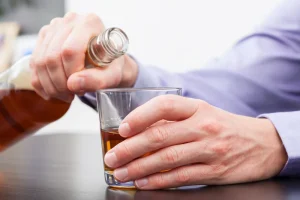
You might not know this, but vodka is not necessarily bad for your cardiovascular health. Studies have shown that vodka can help reduce the risk of stroke and heart attacks. The answer depends on how often and in what quantities you drink it. When it comes to an understanding the impact of alcohol on your waistline, it all boils down to calories.

How long does it take for alcohol bloating to go away?
If you have discomfort due to occasional alcohol bloating, over-the-counter antacids, such as Alka Seltzer, may help settle the stomach. People with chronic gastritis will probably need long-term treatment that a doctor can prescribe. Alcohol increases the risk of gastritis by raising acid levels in the stomach. Persistent high alcohol consumption, however, increases the risk of chronic gastritis, which involves stomach ulcers. Abdominal bloating after drinking alcohol may be due to gastritis. The main characteristic of gastritis is inflammation in the lining of the stomach.
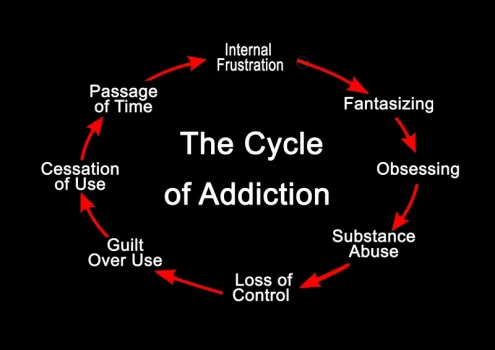
Alcohol makes you more sedentary.
Given that both excessive alcohol intake and obesity are of public health concern, a better understanding of the association between alcohol consumption and excess body weight is warranted. Studies have found that alcohol may have some health benefits, like reducing the risk of heart disease. However, it’s important to balance these potential benefits with the risks of excessive alcohol consumption, https://ecosoberhouse.com/ like weight gain and liver disease. Overall, alcohol can make you gain weight, but consuming alcohol in moderation can be a part of a healthy lifestyle that promotes both health and wellness. Have you noticed that the longer you drink vodka every night, the more alcohol you need to get to the same level of intoxication? That’s not uncommon, as noted by registered dietitian Laura Krebs-Holm.

Does Alcohol Make You Weigh More The Next Day?
That means, even if you skip the sugary cocktail, there are still plenty of calories in your whiskey neat. While your decision making is impaired, you might be more prone to eat foods you’d normally avoid, or even to give up on your healthy diet entirely, Wyatt says. While recent research on humans is limited, past studies have suggested that different hunger-related hormones, like ghrelin and leptin, might be affected by alcohol consumption. If you consume too much of it, you can develop alcohol poisoning or even die. This is important for potential weight gain because it dictates how your body reacts to alcohol. Alcohol has a lot of calories but offers no nutrients and may affect hormones that control appetite, hunger, and stress.

Mental health
- It’s not just the fat causing calories in these beverages that’s a concern; alcohol also stimulates the appetite by depleting the body’s glycogen (carbohydrate) storage.
- However, as with all alcohol consumption, it’s important to consider the impacts of weight gain.
- Remember, these effects are usually temporary, and the additional weight is often not from increased body fat, but from fluid and digestive changes.
- Thus, individuals do not appear to compensate for the added energy from alcohol in the short-term, and alcohol appears to have little effect on satiety [5].
However, if you are someone who is really looking to lose those extra pounds, it is advised that you enjoy an alcoholic beverage no more than 1-2 times a week. Excessive drinking could cause an individual to develop more of an “apple” body shape, where a higher level of body fat is distributed in the abdominal region. There are websites claiming that alcohol is an energizer that can help burn calories, and be a practical way to achieve weight loss. The following quiz is called the AUDIT, which is short for Alcohol Use Disorders Identification Test. It’s used by medical professionals to assess your risk for alcohol dependence.
Alcohol inhibits fat oxidation, suggesting that frequent alcohol consumption could lead to fat sparing, and thus higher body fat in the long term [62]. However, the results of the various cross-sectional and longitudinal studies examined in this review do not unequivocally support such a hypothesis. Finally, there is also evidence to suggest that traits that predispose individuals to binge drinking may also predispose to binge eating [66]. can you gain weight from vodka Prospective studies have looked at the association between alcohol intake and adiposity gain in various populations, with follow-up periods ranging from several months to 20 years [4, 30, 31]. Results of these studies have been varied and do not provide a clear picture. Several studies have found no association or a negative association between alcohol intake and changes in weight, BMI or other measures of adiposity [12, 30, 32–39].
- Those are the same chemicals that are triggered when you do other pleasurable activities, such as eating, exercising, and getting intimate.
- Alcohol consumption can lead to weight gain and increases in belly fat (4).
- Most notably, drinking alcoholic beverages stimulates the release of endorphins, hormones that make you feel pleasure and dull pain.
- Whether a holiday party or not, alcohol consumption is very popular in the United States.